
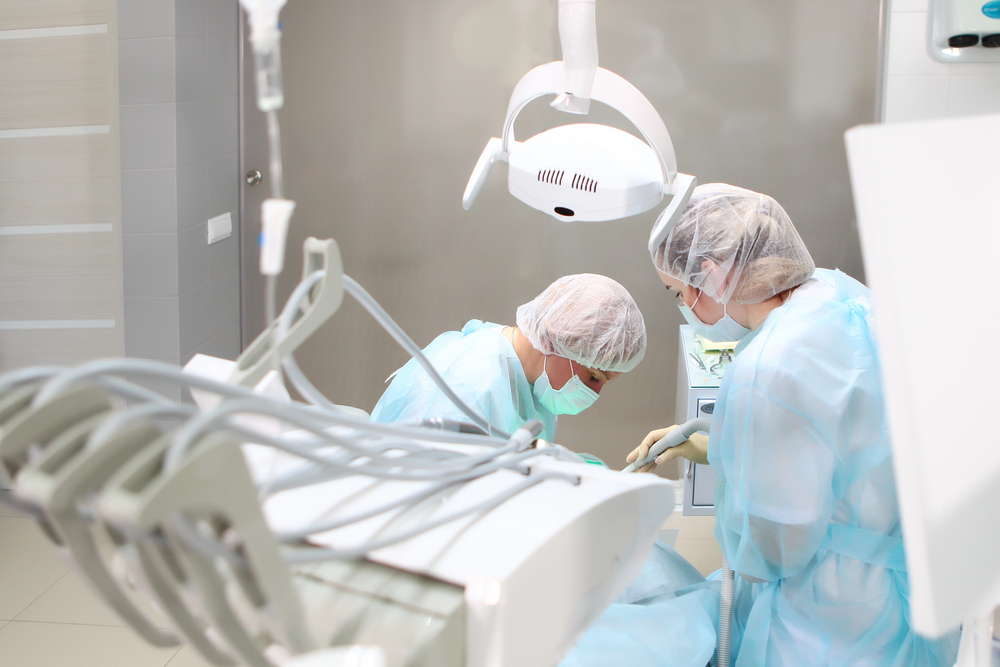
Australia’s dental landscape is on the cusp of a transformative era. For decades, oral rehabilitation relied heavily on bridges, dentures, and traditional restorative techniques. Today, dental implants are not just a technical innovation—they are redefining the very notion of oral health, longevity, and quality of life. As we approach oral care in 2026, it becomes increasingly clear that implants are at the intersection of science, artistry, and patient empowerment.
Beyond Replacement: A Paradigm Shift in Oral Care
Dental implants have long been celebrated for their ability to replace missing teeth with precision, permanence, and aesthetics. Yet their impact extends far beyond mere replacement. Unlike traditional dentures, which can shift or erode bone over time, implants stimulate the jawbone, preserve facial structure, and maintain natural occlusion. For Australian patients, particularly those in rural and urban communities alike, this represents a long-term investment in both function and confidence.
The shift toward implant dentistry is also a reflection of evolving patient expectations. Australians increasingly seek solutions that are minimally invasive, durable, and aligned with broader wellness goals. Dental implants fulfill these criteria by offering a predictable, high-quality option that integrates seamlessly with natural dentition.
Technology-Driven Precision
The evolution of dental implants is inseparable from technological advancement. Modern planning uses 3D imaging, digital impressions, and guided surgery systems to ensure implant placement is not only accurate but personalized to the patient’s anatomy. These tools reduce surgical risk, minimize recovery time, and enhance long-term outcomes.
As oral care in 2026 embraces artificial intelligence and machine learning, implants are poised to become even more sophisticated. AI can predict optimal implant positioning, assess bone density, and anticipate functional stress, ensuring that each restoration is uniquely tailored. In practice, this means fewer complications, faster integration, and results that feel natural to the patient—both functionally and aesthetically.
Implants and the Broader Oral Health Ecosystem
Dental implants are more than a cosmetic or restorative solution; they are central to holistic oral care. By maintaining bone integrity and supporting surrounding teeth, implants reduce the likelihood of secondary complications such as periodontal disease or premature tooth loss. For patients who have experienced extensive dental challenges, implants provide stability that allows for comprehensive oral rehabilitation.
In Australia, where preventive dentistry is increasingly emphasized, implants are now part of a continuum that includes regular check-ups, dietary guidance, and minimally invasive procedures. This integrated approach ensures that implants do not exist in isolation but as part of a broader, patient-centric oral care strategy.
Patient Experience and Confidence
The psychological and social benefits of dental implants are profound. Missing teeth can affect speech, nutrition, self-esteem, and social interaction. Implants restore not only function but confidence, allowing individuals to engage fully in personal and professional life. Australian studies consistently highlight high patient satisfaction, demonstrating that implants positively influence both oral health and overall wellbeing.
Modern implant procedures are also designed with patient comfort in mind. Advances in sedation, local anesthesia, and post-operative care have transformed the patient experience, making even complex multi-implant cases accessible and stress-free. For many Australians, the journey from tooth loss to full restoration is no longer daunting but empowering.
Expanding Accessibility and Education
One of the most remarkable shifts in implant dentistry is accessibility. Where implants were once exclusive to metropolitan clinics, they are now increasingly available in regional practices. Tele-dentistry, digital planning, and mobile imaging units allow patients outside major cities to benefit from advanced care. As oral care in 2026 becomes more democratized, implants are no longer the preserve of a privileged few—they are a mainstream standard of care.
Education is also central to this transformation. Australian dental professionals are actively engaging patients in understanding the long-term benefits, maintenance requirements, and lifestyle considerations associated with implants. This transparency ensures patients make informed decisions, aligning clinical outcomes with personal expectations.
A Glimpse into the Future
Looking ahead, the integration of regenerative medicine with implantology promises to further redefine oral restoration. Research into bioactive coatings, stem cell therapies, and growth factor-enriched materials suggests a future in which implants not only replace teeth but actively regenerate bone and gum tissue. For Australia, this means an era of dentistry where preventive, restorative, and regenerative care converge, offering unparalleled quality of life for patients.
Moreover, as implants become standard practice, dental professionals are likely to focus on optimization rather than novelty. Emphasis will shift toward long-term durability, functional biomechanics, and patient-centered outcomes—hallmarks of a mature, sophisticated dental ecosystem.
Dental implants are far more than a technological marvel; they are a cultural and clinical milestone in Australian dentistry. As we advance toward oral care in 2026, implants exemplify the convergence of precision, patient experience, and holistic health. They restore smiles, safeguard oral structures, and elevate confidence, transforming not just individual lives but the broader understanding of dental wellness.
For patients and clinicians alike, the future is clear: dentistry is no longer reactive. It is proactive, personalized, and empowered by technology. Dental implants are the cornerstone of this transformation, ensuring that Australia’s smiles are not only preserved but perfected for generations to come.