
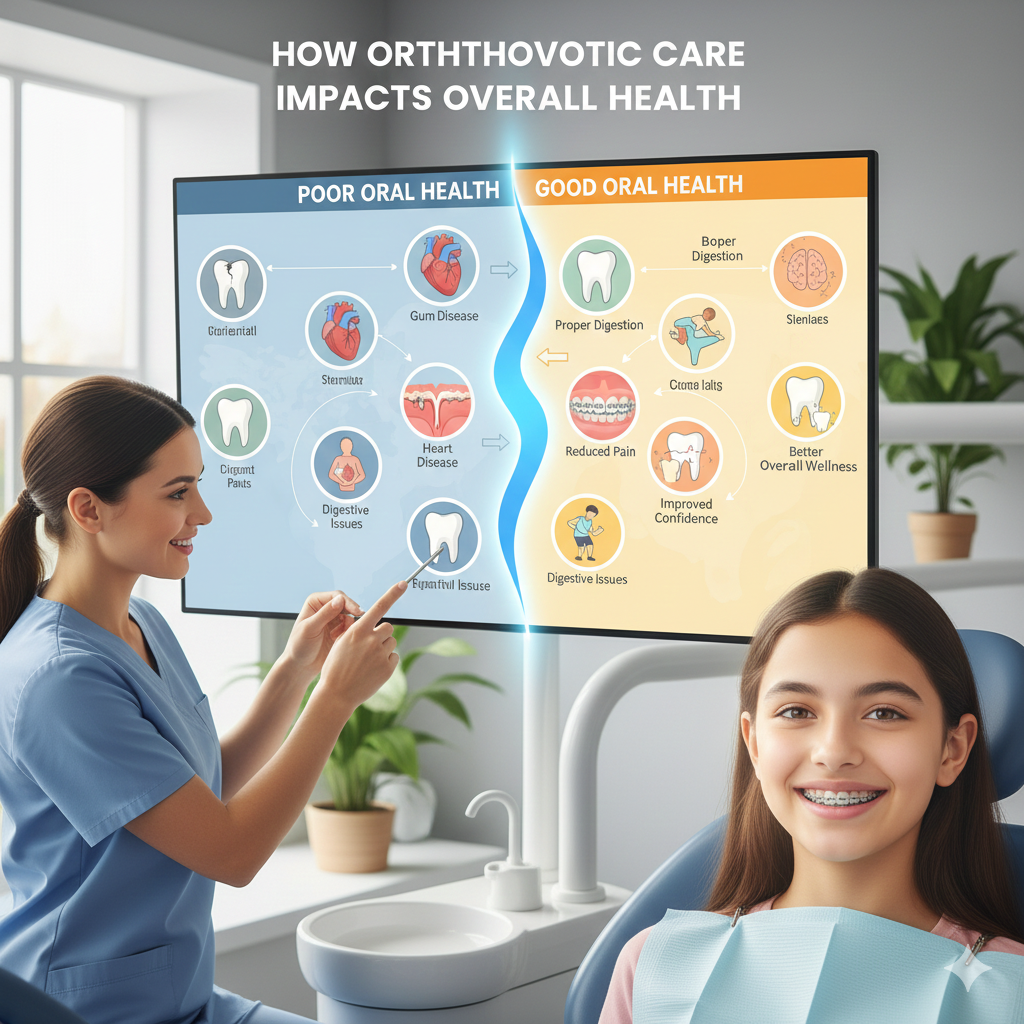
For many, the mention of orthodontics conjures images of teenagers with metal braces or adults seeking a more symmetrical smile. While the cosmetic transformation is undoubtedly significant, the impact of orthodontic care extends far deeper than surface-level aesthetics. A well-aligned bite and properly positioned teeth are fundamental to several bodily systems, influencing everything from cardiovascular health to respiratory efficiency.
In the modern dental landscape, aligning the teeth and jaws is increasingly recognized as a vital component of holistic health. Much like the gold standard for dental implants provides a permanent structural solution for missing teeth, orthodontic treatment offers a foundational fix for a host of physiological issues that can affect a person’s quality of life.
Precision in Oral Hygiene and Disease Prevention
The most immediate health benefit of orthodontic treatment is the ability to maintain superior oral hygiene. When teeth are crowded, overlapped, or rotated, they create “nooks and crannies” that are virtually impossible to reach with standard brushing and flossing. These areas become breeding grounds for plaque and tartar.
- Reducing Systemic Inflammation: Persistent plaque buildup leads to gingivitis and, eventually, periodontitis. Chronic gum disease is not just a localized problem; the bacteria associated with it can enter the bloodstream. Research has consistently linked oral inflammation to serious systemic conditions, including cardiovascular disease, diabetes, and even certain types of dementia.
- Preventing Abnormal Wear: Malocclusion (a “bad bite”) often causes teeth to strike each other at improper angles. Over time, this results in chipped enamel, tooth sensitivity, and premature wear, which can eventually lead to tooth loss.
The First Step in Digestion: Mastication
Digestion does not begin in the stomach; it begins in the mouth. The mechanical breakdown of food, known as mastication, is the crucial first step in nutrient absorption. When jaws are misaligned, the teeth cannot effectively grind food into the small, manageable pieces required for the stomach to process them efficiently. So when orthodontic experts help prevent the development of oral health problems it’s as fundamental as this.
Patients with significant bite issues often suffer from:
- Gastrointestinal Distress: Swallowing larger pieces of food forces the digestive tract to work harder, which can lead to bloating, acid reflux, and indigestion.
- Nutritional Deficiencies: In severe cases, people may subconsciously avoid healthy, fibrous foods (like raw vegetables or tough proteins) because they are difficult to chew, leading to a restricted diet and potential malnutrition.
Respiratory Health and Sleep Quality
One of the more surprising ways orthodontics affects overall health is through its influence on the airway. The structure of the jaw and the position of the teeth dictate the space available for the tongue. If the upper jaw is too narrow or the lower jaw is recessed, the tongue may be pushed back toward the throat.
- Sleep Apnea and Snoring: This narrowing of the airway is a primary contributor to Obstructive Sleep Apnea (OSA). By using orthodontic appliances to expand the palate or reposition the jaw, specialists can often increase the volume of the airway, leading to better oxygen saturation during sleep and a reduction in chronic fatigue.
- Mouth Breathing: Chronic mouth breathing, often a result of jaw structure, can lead to a dry mouth. Since saliva is the mouth’s natural defense against acid and bacteria, a dry environment significantly increases the risk of tooth decay and gum infections.
Neuromuscular Harmony and Pain Relief
The temporomandibular joint (TMJ) is one of the most complex joints in the body. When teeth do not meet correctly, the muscles of the jaw must constantly compensate to achieve a functional bite. This chronic muscle tension doesn’t stay confined to the mouth.
It often manifests as:
- TMJ Disorders: Clicking, popping, or locking of the jaw.
- Chronic Headaches: Tension headaches and migraines are frequently traced back to a misaligned bite.
- Upper Body Tension: The strain in the jaw often radiates to the neck and shoulders, causing persistent muscular discomfort that physical therapy alone cannot resolve without addressing the underlying dental alignment.
Psychological Well-being and Social Confidence
Finally, the impact of orthodontics on mental health cannot be overstated. In a social world, the smile is a primary tool for communication and expression. Individuals with severe dental irregularities often report feeling self-conscious, leading to social anxiety or a tendency to hide their face when laughing or speaking.
The confidence gained from orthodontic treatment can be life-changing. It empowers individuals to engage more fully in professional and social settings, reducing stress and improving overall emotional health. This boost in self-esteem, combined with the relief of chronic pain and the improvement of physical functions, makes orthodontic care a profound investment in a person’s total well-being.