
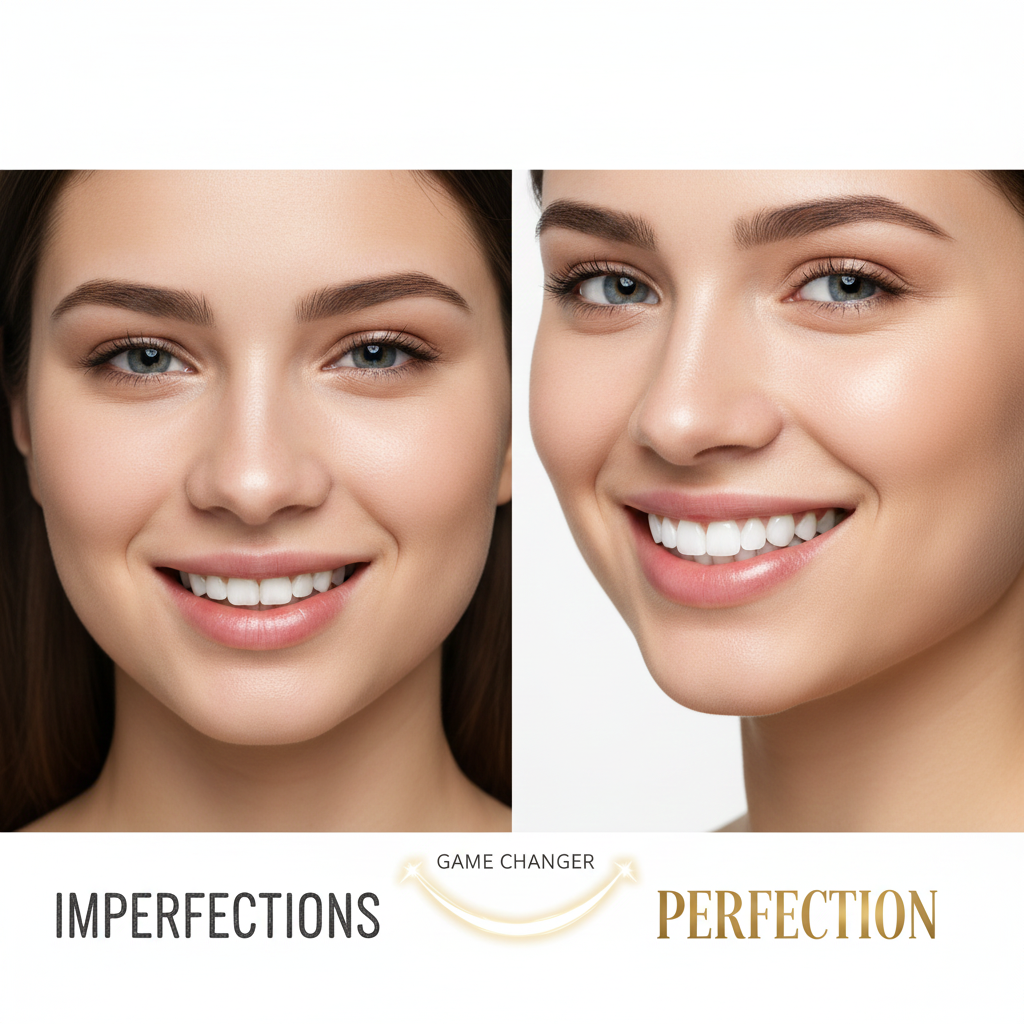
The pursuit of a flawless smile often feels like an uphill battle against genetics, lifestyle habits, and time. Stained enamel, minor misalignments, and chipped edges can chip away at personal confidence. While traditional whitening or bonding offers temporary fixes, a more robust solution exists. Porcelain veneers have emerged as the gold standard in cosmetic dentistry, bridging the gap between dental necessity and aesthetic excellence. This transformation is not merely superficial; it represents a fundamental shift in how modern dentistry approaches smile restoration.
The Art of the Instant Transformation
Porcelain veneers are ultra-thin shells of medical-grade ceramic. Dentists bond them directly to the front surfaces of teeth. Unlike crowns, which require significant enamel removal, veneers are minimally invasive. They act as a custom-made façade, masking various imperfections simultaneously. Whether a patient faces permanent tetracycline staining or unsightly gaps, veneers provide a uniform, radiant appearance.
The “game-changer” label stems from the speed of the results. Traditional orthodontics might take years to close a gap or straighten a slight rotation. In contrast, the veneer process typically requires only two or three appointments. This “instant orthodontics” appeal makes them a preferred choice for professionals and individuals seeking immediate enhancement. The porcelain material mimics the light-reflecting properties of natural teeth, ensuring the result looks authentic rather than artificial.
Durability Meets Aesthetics
One major concern for dental patients involves the longevity of their investment. Cosmetic procedures are often perceived as fragile. However, porcelain is incredibly resilient. Once fused to the natural tooth structure, it becomes remarkably strong. When maintained with proper oral hygiene, long-lasting porcelain veneers can endure for 10–15 years or even longer, providing a decade of worry-free smiles.
This durability is coupled with exceptional stain resistance. Natural tooth enamel is porous, meaning coffee, red wine, and tobacco easily discolor it over time. High-quality dental porcelain is non-porous. It repels stains far more effectively than natural teeth or resin bonding. This ensures that the brightness achieved on day one remains consistent throughout the lifespan of the restoration. Patients no longer need to worry about frequent whitening treatments to maintain their look.
A Personalized Approach to Smile Design
Modern veneer application is a marriage of science and artistry. No two smiles are identical, and “one size fits all” does not apply here. The process begins with a comprehensive consultation where facial symmetry, lip line, and skin tone are evaluated. Digital smile design software often allows patients to preview their results before the procedure begins.
Customization extends to the shade, shape, and translucency of the veneers. Some patients desire a Hollywood-white brilliance, while others prefer a subtle, age-appropriate enhancement. The goal is to create a smile that complements the individual’s features. By correcting “imperfections” like jagged edges or uneven tooth lengths, veneers create a harmonious facial balance that can make a person appear years younger.
Strengthening Tooth Integrity
Beyond aesthetics, veneers offer functional benefits. Teeth with minor cracks or worn-down enamel are vulnerable to further damage and sensitivity. A veneer acts as a protective shield. It reinforces the underlying tooth structure, preventing further wear and tear. This is particularly beneficial for patients who have suffered from acid erosion or minor bruxism (tooth grinding).
By restoring the original shape and volume of the teeth, veneers also support the soft tissues of the face. Worn teeth can lead to a “collapsed” look around the mouth, contributing to premature wrinkles. Lengthening the teeth slightly with porcelain can provide better support for the lips, offering a subtle lift to the lower third of the face.
The Psychological Impact of a Perfect Smile
The shift from imperfection to perfection carries significant psychological weight. Dental anxiety often stems from being self-conscious about one’s teeth. People with dental flaws may cover their mouths when laughing or avoid smiling in photographs. This behavior can be misinterpreted as unfriendliness or lack of confidence.
Once the physical transformation is complete, the behavioral shift is often immediate. Patients report an increase in self-esteem that permeates their professional and social lives. The “game-changer” aspect is most evident here; it is not just about the teeth, but about the person’s willingness to engage with the world. The confidence of knowing your smile is flawless allows for more authentic self-expression.
Maintenance and Long-Term Care
Maintaining the “perfection” of porcelain veneers is surprisingly straightforward. They do not require specialized equipment or complex routines. Brushing twice a day with non-abrasive toothpaste and daily flossing is usually sufficient. Regular dental check-ups remain essential to ensure the health of the underlying teeth and gum tissue.
While porcelain is tough, it is not indestructible. Dentists recommend avoiding using teeth as tools—such as opening packages or biting fingernails—to prevent chipping. For those who grind their teeth at night, a custom mouthguard is often recommended to protect the porcelain surfaces. By following these simple guidelines, patients ensure their investment remains pristine for the maximum duration possible.
Choosing the Right Path
The transition to porcelain veneers is a significant decision. It requires a partnership with a skilled cosmetic dentist who understands the nuances of occlusion and aesthetics. During the preparation phase, a tiny amount of enamel—often less than a millimeter—is removed to allow the veneer to sit flush with the gum line. This ensures a natural look and prevents a “bulky” appearance.
The investment in porcelain veneers is an investment in quality of life. While the upfront cost is higher than temporary bonding, the cost-per-year is often lower due to their incredible lifespan. When considering the time saved on whitening and the emotional value of a confident smile, the value proposition becomes clear.
The Evolution of Dental Materials
Technological advancements have refined porcelain veneers into the high-performance restorations they are today. Early versions were thicker and more opaque, sometimes appearing “chalky.” Today’s lithium disilicate and feldspathic porcelains allow for incredible detail. Lab technicians can now layer different tints to recreate the subtle gradients found in natural teeth.
This evolution means that even “full-mouth” reconstructions no longer look like “dentures.” Each tooth is individually crafted to have its own character while contributing to a cohesive whole. The result is a smile that doesn’t just look “fixed,” but looks naturally perfect.
Final Thoughts on the Transformation
The journey from dental imperfections to a perfected smile is a path toward self-reinvention. Porcelain veneers offer a unique combination of strength, beauty, and longevity that other treatments cannot match. They solve multiple problems at once—color, shape, alignment, and durability—making them the ultimate tool in the cosmetic dentist’s arsenal.
By choosing a solution that can last for well over a decade, patients are not just fixing a temporary problem; they are committing to a long-term standard of excellence. The impact of this choice resonates every time the patient looks in the mirror or shares a smile with a stranger. In the realm of cosmetic enhancement, few things are as transformative, reliable, or life-changing as the move to porcelain veneers. This is the modern standard for those who refuse to settle for anything less than a perfect smile.