
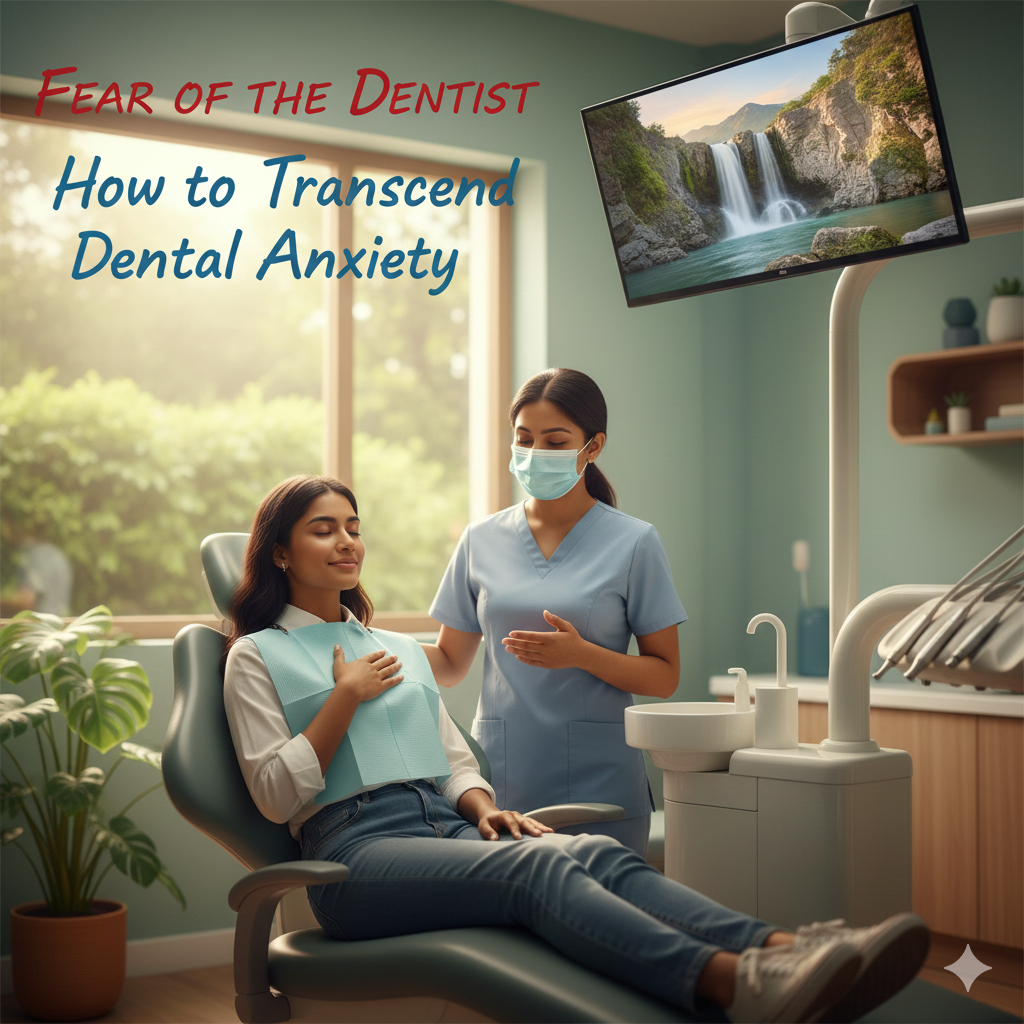
For many, the mere thought of a dental chair triggers a visceral physical response. Palms sweat, the heart races, and a sudden urge to cancel the appointment takes hold. This reaction, known as dental anxiety or odontophobia, affects millions of people worldwide. It ranges from mild apprehension to a paralyzing fear that prevents necessary medical care. However, avoiding the dentist often leads to a cycle of deteriorating oral health and increasingly complex procedures. Breaking this cycle requires understanding the roots of fear and implementing practical strategies to reclaim your oral health.
The Psychology of Dental Anxiety
Understanding why we fear the dental office is the first step toward overcoming it. For some, the fear is rooted in a traumatic childhood experience. The clinical smells, the high-pitched sound of the drill, or the sensation of being reclined in a vulnerable position can trigger deep-seated memories of pain or loss of control.
Control is a central theme in dental anxiety. When you are in the chair, you cannot see what is happening, and you cannot easily communicate once the procedure begins. This sense of helplessness can escalate into a full-blown panic attack. Others suffer from “white coat syndrome,” where any medical environment causes blood pressure to spike. Acknowledging that your fear is a valid psychological response, rather than a sign of weakness, allows you to approach the problem with self-compassion.
The Impact of Avoidance
The primary danger of dental anxiety is the “cycle of avoidance.” When a patient skips routine cleanings due to fear, minor issues like small cavities or early gingivitis go untreated. Eventually, these manageable problems evolve into severe infections, abscesses, or tooth loss. These conditions require invasive treatments like root canals or extractions—the very procedures the patient feared in the first place.
By the time the pain becomes unbearable enough to force a visit, the dental experience is often intense and costly. This reinforces the patient’s belief that the dentist is a place of pain. Breaking this cycle involves visiting the clinic when things are not hurting, allowing for positive, low-stress experiences.
Communication as a Tool for Empowerment
The relationship between a patient and their dentist should be a partnership. Modern dentistry has shifted toward a patient-centric model where emotional comfort is as important as clinical precision. When booking an appointment, inform the receptionist about your anxiety. This ensures the team can allocate extra time to explain procedures and move at your pace.
Establish a “stop signal” before the work begins. Raising your left hand is a common method. Knowing that you have the power to pause the procedure at any moment restores a sense of autonomy. Ask your dentist to explain what they are doing before they do it. Understanding the “why” and “how” of a procedure removes the element of surprise, which is a major contributor to stress.
Sensory Management and Distraction
The dental environment is a sensory minefield. You can take proactive steps to dampen these triggers. Noise-canceling headphones are highly effective; listening to a podcast, an audiobook, or calming music can mask the sound of dental instruments.
Weighted blankets, often used for sensory processing disorders, are becoming common in dental offices to provide a “grounding” sensation. If your dentist doesn’t provide one, bringing a heavy sweater or a small stress ball to squeeze can help channel nervous energy. Focus on your breathing; deep, diaphragmatic breaths tell your nervous system that you are safe, lowering your heart rate and reducing the “fight or flight” response.
Pharmacological Solutions: Sleep Dentistry
For some, breathing exercises and distraction are not enough. When the phobia is severe, professional intervention via sedation is necessary. There are various levels of sedation, ranging from nitrous oxide (laughing gas) to oral sedatives that induce a state of deep relaxation.
However, for those with a profound phobia or those requiring extensive restorative work, sleep dentistry is usually the easiest way to alleviate fear. This approach, often referred to as IV sedation or Twilight Sedation, allows the patient to remain in a dream-like state throughout the procedure. While you remain conscious and able to follow simple instructions, you feel no pain and typically have no memory of the treatment afterward. This eliminates the trauma of the sights and sounds of the clinic, making it possible to complete years of neglected dental work in a single, stress-free session.
The Role of Modern Technology
Advances in dental technology have made procedures significantly more comfortable than they were even a decade ago. Lasers can now be used for certain soft tissue procedures, reducing the need for traditional drills and sutures. Digital scanners have replaced the messy, gag-inducing putty used for impressions.
Furthermore, the “Wand” or computerized local anesthesia delivery systems ensure that the numbing process is virtually painless. By choosing a clinic that invests in modern technology, you ensure that your physical experience is as gentle as possible. Researching a clinic’s technology beforehand can provide peace of mind that you won’t be subjected to outdated, uncomfortable methods.
Redefining the Dental Experience
Transcending dental anxiety is rarely a linear process. It involves a combination of finding the right provider, utilizing sedation when necessary, and practicing self-regulation techniques. It is helpful to visit a new clinic for a “meet and greet” before any actual dental work is scheduled. This allows you to judge the atmosphere and the temperament of the staff without the pressure of an impending procedure.
Once you find a team that respects your boundaries and validates your concerns, the fear begins to dissipate. Consistent, small victories—like making it through a simple cleaning—rebuild your confidence. Over time, the dental office stops being a place of dread and becomes a routine part of your self-care regimen.
Choosing Your Path to Oral Health
You do not have to live with dental pain or the embarrassment of a fading smile. Whether you choose to manage your anxiety through mindfulness and communication or opt for the total relaxation of sedation, the path to health is open. The goal is to move from a state of fear-based avoidance to a state of proactive health management.
Your oral health is intrinsically linked to your systemic health, affecting everything from heart health to self-esteem. By addressing your dental anxiety today, you are making a profound investment in your future quality of life. The first step is simply reaching out and saying, “I am afraid, and I need help.” A compassionate dental team will take it from there.