
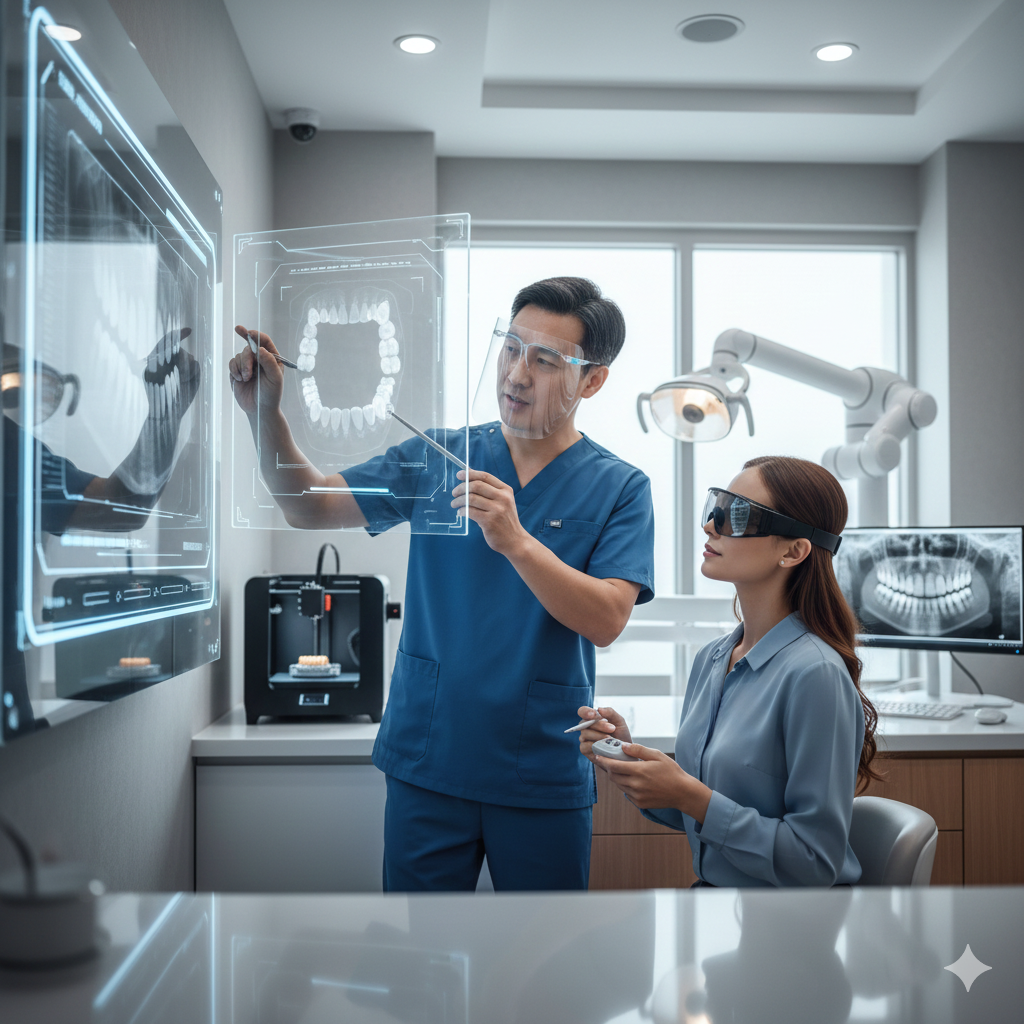
The landscape of modern oral healthcare is undergoing a profound transformation, driven by the rapid integration of digital technologies. Once characterized by tactile molds and subjective assessments, dentistry has transitioned into a high-tech era where precision, speed, and patient comfort are paramount. Digital dentistry—encompassing everything from intraoral scanning and 3D printing to artificial intelligence—is not merely an upgrade in equipment; it is a fundamental shift in how dental professionals diagnose, plan, and execute treatments.
The Precision of Digital Diagnostics
The traditional patient experience often began with the uncomfortable process of taking physical impressions. For many, the tray full of putty was a source of anxiety and a strong gag reflex. Today, digital intraoral scanners have largely replaced this method. These handheld devices capture thousands of images per second, creating a highly accurate 3D digital model of the teeth and gums.
This precision extends beyond comfort. Digital impressions eliminate the risk of material shrinkage or distortion inherent in physical molds. When these scans are combined with Cone Beam Computed Tomography (CBCT), dentists gain a comprehensive view of the patient’s anatomy, including bone density, nerve pathways, and sinus cavities. This level of detail is critical for complex procedures like dental implant placement, ensuring that restorations are not only aesthetically pleasing but biologically sound and long-lasting.
Empowerment Through Visualization
One of the most significant hurdles in restorative and cosmetic dentistry has historically been communication. Patients often find it difficult to articulate their aesthetic goals, and dentists may struggle to describe a final result that exists only in their mind’s eye. This gap often leads to uncertainty and hesitation regarding treatment.
Modern technology bridges this gap through sophisticated planning software. By offering a visual preview, digital smile design empowers patients to become active participants in their own treatment journey. This process allows individuals to see a simulated “after” photo of their smile before any physical work begins. By adjusting tooth shape, length, and shade on a screen, the dentist and patient can reach a mutual agreement on the desired outcome. This transparency builds immense trust and ensures that the final result aligns perfectly with the patient’s expectations, significantly reducing the need for revisions.
Streamlining the Clinical Workflow
Digital dentistry has also revolutionized the “chair time” required for various procedures. The integration of CAD/CAM (Computer-Aided Design and Computer-Aided Manufacturing) technology allows for same-day dentistry. In the past, a crown or veneer required two appointments: one for the preparation and temporary restoration, and another weeks later once the lab had fabricated the permanent piece.
With in-office milling machines and 3D printers, permanent restorations can now be designed and fabricated in a single visit. This efficiency is a major boon for the patient experience, minimizing the need for multiple local anesthetic injections and time away from work. Furthermore, the digital workflow allows for “guided surgery” in implantology. Surgeons can print surgical guides based on the digital plan, allowing for flapless procedures that result in less trauma to the tissue, reduced swelling, and faster recovery times.
Improving Long-Term Clinical Outcomes
While the “wow factor” of digital tools often centers on the patient experience, the impact on clinical outcomes is equally impressive. Digital tools allow for a level of analysis that was previously impossible. For example, digital occlusal analysis tools can measure the exact force and timing of a patient’s bite. This data prevents the premature failure of restorations and helps treat conditions like TMJ disorders with unprecedented accuracy.
In orthodontics, digital clear aligner therapy uses complex algorithms to predict tooth movement with millimeter precision. This predictable staging of movement leads to more efficient treatment timelines and more stable results. Moreover, the digital record-keeping associated with these technologies allows for easy monitoring of oral health changes over time. By overlaying scans taken years apart, dentists can detect minute patterns of tooth wear or gum recession that might otherwise go unnoticed.
The Human Element in a Digital Age
As dentistry becomes increasingly automated, the role of the clinician evolves from a manual artisan to a digital architect. However, the technology remains a tool, not a replacement for clinical judgment. The true value of digital dentistry lies in its ability to remove the guesswork, allowing dental professionals to focus more on the “care” aspect of healthcare.
When patients feel informed, comfortable, and involved in the decision-making process, their anxiety levels drop and their satisfaction with the results increases. By embracing digital innovation, dental practices are not just improving smiles; they are redefining the standard of care for a modern, tech-savvy patient base. The result is a more efficient, predictable, and personalized dental experience that prioritizes both the health and the happiness of the individual.