
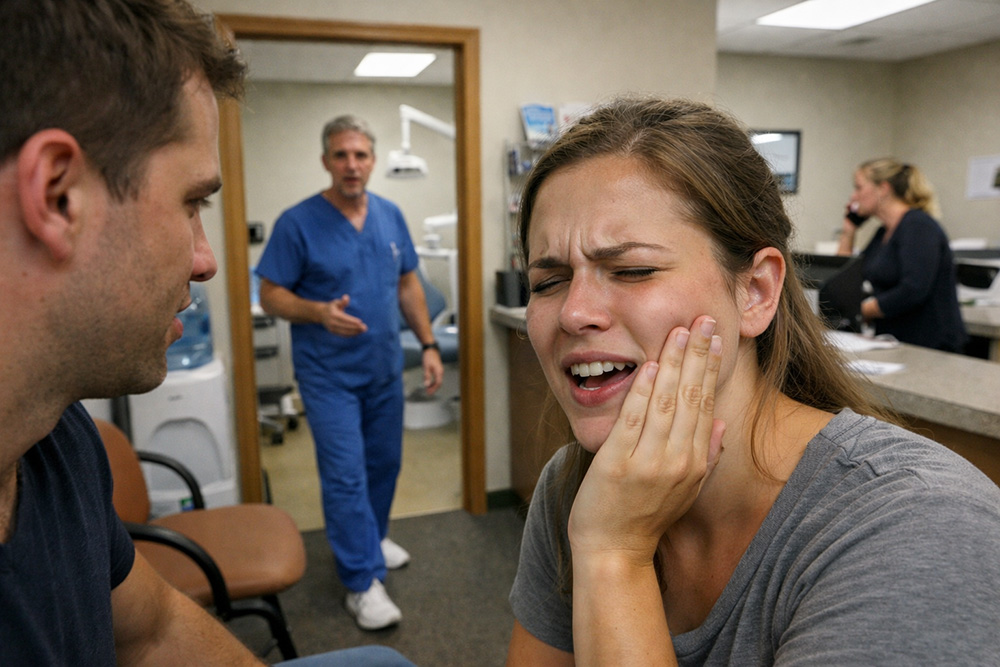
The rhythm of modern life rarely pauses for a dental emergency. Whether it’s a sudden toothache, a fractured crown, or trauma from sports or accidents, urgent dental issues do not adhere to business hours. As Australians increasingly navigate high-demand careers, active lifestyles, and remote living, the call for accessible emergency dentistry has never been louder. The rise of after-hours dental clinics represents a profound shift in patient care, aligning perfectly with evolving expectations and the broader oral health trends of 2026.
The Modern Lifestyle and Dental Vulnerability
Australia’s fast-paced lifestyle has created a paradox: while oral hygiene awareness is higher than ever, the window for routine care has narrowed. Many individuals delay preventive visits, inadvertently increasing the risk of acute dental problems. Additionally, weekend sports, recreational activities, and high-energy pursuits elevate the likelihood of traumatic injuries. In metropolitan areas such as Sydney, Melbourne, and Brisbane, these incidents occur frequently, while in regional towns, access to timely care is more limited.
After-hours clinics address this gap. By providing 24/7 access, these clinics reduce patient stress, prevent minor issues from escalating into complex procedures, and limit unnecessary hospital visits—a significant benefit for both patients and the healthcare system.
Emergency Dentistry: Beyond Pain Relief
While the immediate purpose of emergency dentistry is to relieve pain, its impact extends far beyond symptom management. Prompt intervention preserves tooth structure, prevents infections, and maintains oral function, which is essential for speech, nutrition, and overall health. Delays in treatment can lead to irreversible damage, including tooth loss, bone deterioration, and systemic infections.
The provision of after-hours services has become a cornerstone of modern Australian dentistry, reflecting a patient-first philosophy. Clinics equipped for urgent care offer a comprehensive approach: they combine pain relief with diagnostics, treatment planning, and, in many cases, same-day restorative procedures. This model ensures that patients leave with both immediate relief and long-term solutions.
The Role of Technology
Digital advancements are also reshaping emergency dentistry. Mobile appointment scheduling, teleconsultations, and electronic dental records allow clinics to respond swiftly, even outside conventional hours. Imaging technologies, such as intraoral cameras and digital X-rays, facilitate rapid diagnosis and precise treatment planning. By integrating technology into urgent care, Australian dental clinics can provide efficient, safe, and patient-centric services, which is a defining feature of the oral health trends of 2026.
Moreover, AI-assisted triage systems are beginning to identify high-priority cases and guide patients on whether to seek immediate care or schedule a follow-up. This level of responsiveness improves patient outcomes and optimizes clinic resources, ensuring that emergency care is available when it is truly needed.
Rural and Regional Challenges
The demand for after-hours care is particularly acute in rural and regional Australia. Residents in remote areas often travel long distances to access dental services, creating logistical barriers to timely care. After-hours clinics in regional hubs can mitigate these challenges by providing immediate relief and bridging gaps until routine follow-up care is possible.
This decentralization of emergency services also aligns with national health priorities, emphasizing equitable access to oral healthcare regardless of geography. By reducing treatment delays, these clinics help prevent conditions that could escalate into broader medical emergencies.
Patient Expectations and Service Models
Today’s dental patients increasingly expect convenience, accessibility, and continuity of care. Emergency dental services are no longer judged solely on technical proficiency; factors such as responsiveness, communication, and post-treatment support have become central to patient satisfaction. Clinics that offer extended hours, flexible scheduling, and tele-dentistry consultations are better positioned to meet these expectations.
Additionally, after-hours clinics contribute to public education by advising patients on immediate self-care techniques, pain management, and temporary protective measures before full treatment can be provided. This proactive guidance reflects a broader trend in patient-centered care, prioritizing empowerment alongside clinical intervention.
Integration with Preventive Dentistry
Interestingly, the rise of emergency services is not at odds with preventive dentistry; rather, it complements it. Patients who experience urgent care often gain awareness of their oral health habits and risk factors. Follow-up appointments for education, maintenance, and minimally invasive treatment help convert an acute episode into a long-term improvement in oral health. This integration exemplifies a key oral health trend of 2026, where reactive and preventive care are increasingly linked within comprehensive patient pathways.
The Future of After-Hours Clinics
Looking forward, 24/7 dental clinics are likely to become an essential component of Australia’s healthcare ecosystem. Innovations such as mobile emergency units, AI-assisted diagnostics, and virtual care platforms promise to expand accessibility further. Clinics will not only respond to pain but anticipate patient needs, delivering holistic care that bridges the gap between acute intervention and preventive maintenance.
Moreover, the emphasis on patient experience—through timely care, transparent communication, and integrated follow-ups—positions emergency dentistry as a model for broader healthcare services. The convenience, efficiency, and quality of after-hours clinics will define public expectations for dental care well into the next decade.
Australia is witnessing a fundamental shift in how dental services are delivered. The emergence of 24/7 clinics reflects both lifestyle demands and evolving patient expectations, offering rapid relief, functional restoration, and peace of mind. Emergency dentistry is no longer a reactive stopgap; it is a proactive, integrated component of oral healthcare. By aligning with the oral health trends of 2026, after-hours clinics are shaping a future in which dental care is accessible, responsive, and patient-centered, ensuring that oral emergencies are addressed efficiently, safely, and humanely.